Faith, Dirty Grace, and a Whole Lotta Whiskey, Regret, and Resurrection.
Visit my domain to dive face-first into the wild ride of my brain — a mashup of raw truths, dirty jokes, mental fistfights, and midnight rambles you didn’t know you needed.
Saint Dirty Face. Imperfect on purpose. Faithful with fangs. Here to spill it all, laugh at the absurd, and maybe light a match under your too-comfortable chair.
Every day in public health feels like watching a slow-motion car crash directed by idiots who think they’re brilliant. Today’s episode? Reduction in force—a polite little phrase for “let’s axe the people who actually know what the hell they’re doing.”
We’re talking folks with 5, 7, and even 10 plus years of tenure, shown the door like they’re disposable coffee filters. Then, like a cosmic punchline, their positions magically reopen so some newbie can be hired at half the pay, no loyalty, and a 50/50 shot they’ll quit after two months.
Genius, right? Morons in charge. Morons on parade.
It started with a 20% funding cut. Then—surprise!—reduced to 5%. But instead of recalibrating, the overlords double down: “Still gotta make reductions!”
Translation: “We don’t have a clue, but hey, let’s keep pretending we do.”
So now it’s me watching leadership light the place on fire while sipping a beer and thinking: this isn’t survival of the fittest, it’s survival of the dumbest.
And the people who really suffer? Not us. Not them. The patients.
Because when you gut experience, you gut care. When you replace grit with revolving-door hires, you trade public health for public hazard.
But what do I know? I’m just the guy in the ashes, watching the circus, calling it like I see it.
Look, some folks read How to Win Friends and Influence People. Me? I read How to Haunt Their Thoughts Rent-Free.
Here’s your Monday PSA: if you’re gonna be stuck in society’s little circus, you might as well keep the monkeys guessing.
5. The Compliment With Teeth
Tell someone, “You look great today.”
Then, lean in and add: “You don’t hear that often, do you?”
Boom. That’s not kindness, that’s a landmine. They’ll be checking mirrors all day wondering if you meant it or if you just tattooed insecurity on their soul.
4. The Predator Stare
In a group conversation, pick your victim. Lock eyes. Don’t blink. Don’t smile.
Everyone else is chatting, but you’re channeling the spirit of a crow perched on their tombstone.
Eventually, they’ll look away—because primal fear doesn’t lie. And then? They’ll wonder why the hell you were looking at them like they just confessed to something.
3. Emotional Sniper Fire
When someone comes at you hot—loud, angry, chest puffed—don’t raise your voice. Step close. Too close. Hold their gaze.
Wait three beats. Whisper: “Why are you so emotional right now?”
Congratulations, you’ve flipped the script. They were the aggressor, now they’re the crazy one. It’s not just a mind game—it’s psychological waterboarding with a smirk.
2. The Forehead Mystery
When someone’s talking, don’t look them in the eyes. Instead, fixate on their forehead like it’s broadcasting secret alien coordinates. Smile. Just a little.
Watch them slowly disintegrate mid-sentence, checking if there’s mustard, blood, or an invisible horn sprouting. They’ll never recover their confidence again.
1. The Lip Curse
This one’s dark magic. Tell someone: “Don’t you hate when people lick their lips too much?”
Then shut up. Nine out of ten people will instantly lick their lips—proving they’re nothing but puppets wired with cheap strings.
You? You’re the puppeteer, Saint Dirty Face, making marionettes out of mortals.
Final Thought
The moral of the story?
Kindness is cool. But sometimes, chaos is cooler.
So go forth, sprinkle doubt, and make Monday just a little weirder.
You let me stay up too late, then made sure I woke up late. The house looks like a crime scene—dishes, clothes, chaos—because no one lifts a finger unless I bark orders. And when I bark? Oh, suddenly I’m the villain.
So here I am, rushing out the door for groceries, muttering at your smug face. And just behind you, I see Monday—grinning like a bastard, waiting to bite.
Dementia doesn’t just steal memories—it reshapes a whole family’s world. My dad is now in the late stage of this disease. He’s in a nursing home, and my mom—his wife, his partner—is walking through the hardest season of her life watching the man she loves slip further away.
This is for anyone out there facing the same thing. Maybe it helps you. Maybe it helps someone you love.
What Late-Stage Dementia Looks Like
At this stage, the brain is deeply affected. The changes can be heartbreaking:
Speech fades—sometimes to just a few words, sometimes gone completely. Recognition isn’t guaranteed—faces blur, names vanish. Walking becomes difficult or impossible. Eating becomes a struggle—many refuse food or simply forget how to swallow. Sleep takes over more and more of the day.
It feels like pieces of them are disappearing. But here’s the truth: they’re still there. They can still feel your love. They respond to your voice, your touch, music, and presence.
What Families Should Expect
Physical changes: Weight loss, swallowing problems, more infections like pneumonia. Emotional shifts: They may seem far away, but a smile or a squeeze of the hand can still break through. Total care needs: At this point, they rely on caregivers for everything. That’s not failure—it’s the disease.
Why a Nursing Home Can Be the Right Choice
This is one of the hardest decisions a family can make. My mom couldn’t care for my dad at home anymore, and that’s not because she didn’t love him enough. It’s because no one person has the resources, training, or energy to safely provide 24/7 care at this stage.
The nursing home doesn’t take him away from us—it allows us to show up for him as family, not just as burned-out caregivers. He’s clean, safe, cared for, and that means my mom can be his wife again, not his nurse. That’s love, not failure.
What You Can Still Do
Even now, love breaks through. Here’s what helps:
Hold their hand. Speak softly. Play familiar music or prayers. Offer sips or tastes, but don’t force food—comfort matters more than calories. Surround them with calm, not chaos.
And most importantly: take care of yourself too. Spouses and children carry heavy grief long before the end arrives. It’s okay to cry. It’s okay to lean on others. It’s okay to admit this hurts.
The Heart of It All
My dad may not eat, may not speak, may not remember. But he is still my dad. He is still my mom’s husband. He is still here, even if in ways we have to learn all over again.
Love still reaches him. Love still matters. And in the end, that’s the one thing dementia can’t take.
Helpful Resources for Families Facing Dementia
If you or someone you love is walking this road, you are not alone. Here are a few places to find guidance and support:
Alzheimer’s Association 24/7 Helpline (U.S.): 1-800-272-3900 – Free support line for caregivers and families. Alzheimer’s Association Website: alz.org – Education, caregiver tips, local support groups. Family Caregiver Alliance: caregiver.org – Resources for families caring for loved ones with chronic illness. National Institute on Aging: nia.nih.gov/health/alzheimers – Information on late-stage dementia and caregiving.
If you’re outside the U.S., check for local Alzheimer’s or dementia associations—they exist worldwide and can connect you to community help.
Midnight. The house is silent, but my desk looks like a warzone—textbooks piled, coffee cups breeding like rabbits, highlighters bleeding across every page.
And then there’s Lisa Wong.
The exchange student who somehow treats my room like it’s hers. The same girl who claimed my bed the first night now sits cross-legged at the desk, leaning way too close, pointing at formulas like I’m the one who signed up for this class.
“Pay attention,” she says, her silver top catching the desk lamp like it’s a spotlight.
“To the book, or to you?” I ask.
She doesn’t even flinch. Just grins, that mischievous grin that says she’s enjoying this way too much.
Her shoulder brushes mine. Her foot nudges me under the desk. Not accidents—never accidents. She’s daring me without saying it, pushing the line between sweet study buddy and troublemaker in disguise.
“You know,” I say, “most people use tutors. Not… exchange students with territorial issues.”
“Tutors are boring,” she fires back. “I make learning fun.”
And she does. That’s the problem. Every joke, every bump of her knee, every time she tilts her head and looks at me like she knows the answer already—it all lights something up I’m not supposed to notice.
The dare isn’t spoken, but it’s loud. It’s in her laugh when she catches me staring. It’s in the way she leans in so close I can smell her shampoo. It’s in the way she doesn’t move back, not even a fraction.
You don’t plan for this kind of thing. You drag yourself home, half-dead from the day, and there she is—Lisa Wong. An exchange student. In your room. On your bed.
Her silver top glows like it swallowed the last bit of sunlight, her dark hair spilling across your pillow like it belongs there more than you do. She looks up from her phone, calm as if she’s been waiting on you her whole life.
“So,” she says, crossing her legs, “roommate perks include claiming the best spot, right?”
You should tell her to move. You should reclaim your space. But instead, you lean against the doorframe, fighting the smirk tugging at your mouth.
“That’s not how this works.”
“Pretty sure it is,” she shoots back. “Check the fine print.”
She doesn’t blink. Doesn’t budge. And you realize, in that moment, this isn’t a guest—it’s a storm in disguise. A sweet, highly intelligent storm that knows exactly how to press buttons you didn’t know you had.
The first week is chaos wrapped in laughter. She studies at your desk, books spread like battle plans, while you pretend not to notice the way her foot brushes yours under the table. She steals your hoodie “because it smells like laundry detergent and bad decisions.” She sticks Post-it notes on your mirror with things like Eat breakfast, dummy—sweet one day, mocking the next.
And then there are the late nights.
The house is silent, shadows thick. You’re half-asleep, scrolling your phone, when Lisa appears in the doorway. No knock, just that mischievous grin.
“Couldn’t sleep,” she says.
“You know this is my room, right?”
“Our room,” she corrects, climbing onto the bed without waiting.
She doesn’t touch you, not exactly. She just lays close enough that you feel the warmth of her skin radiating through the space between you. A naughty dare, wordless, sparking against the edges of something you’re not ready to name.
You catch her watching you sometimes, head tilted, eyes sharp. She notices when you forget your keys, when you mumble in your sleep, when your laugh cracks in the middle. And she stores it all away with that terrifyingly smart brain of hers—filing you under “study subject turned friend turned… something else.”
Because that’s what this is turning into.
Not just roommates. Not just friends. Something thicker, heavier, humming under every stolen glance and playful insult.
The world would call it cliché. The exchange student, the accidental roommate, the forbidden spark. But lying there, listening to her breathe beside you, it feels less like a cliché and more like a story fate has been itching to write.
“Every answer is a confession. Every choice is a kink wrapped in doctrine. Welcome to the Red Doctrine Quiz—where your darkest desire is just your philosophy in leather.”
Questions
When someone stares at you too long, you…
A. Stare back, harder.
B. Turn it into a game of who breaks first.
C. Let them drink you in, like a slow bleed.
D. Pretend you didn’t notice—while secretly memorizing it.
Your weapon of choice in rebellion is…
A. Silence.
B. Seduction.
C. Pain.
D. Chaos.
Which phrase feels most like home?
A. “See everything. Say nothing.”
B. “Every move is a counter.”
C. “To bleed is to breathe.”
D. “The leash is mine.”
In the doctrine of control, you prefer to…
A. Watch it.
B. Twist it.
C. Break it beautifully.
D. Wear it until it burns.
Foreplay, to you, feels most like… A. A ritual.
B. A strategy session.
C. A sacrifice.
D. A storm.
What role does silence play in your world?
A. It’s a cathedral.
B. It’s a weapon.
C. It’s a lover.
D. It’s a chain.
When cornered, your first instinct is…
A. To observe.
B. To calculate.
C. To endure.
D. To ignite.
Which line would you tattoo on your ribs?
A. “Eyes open. Mouth shut.”
B. “Every kiss is strategy.”
C. “Pain is a prayer.”
D. “Bound to be free.”
Your biggest secret is…
A. You’ve seen more than you admit.
B. You’re two steps ahead—always.
C. You enjoy suffering more than healing.
D. You crave chains more than wings.
When the lights go out, you become…
A. The shadow in the corner.
B. The hand that guides.
C. The moan that lingers.
D. The scream wrapped in silk.
Results
Mostly A – The Witness
The eyes in the dark. You play the long game. People confess to you without realizing, because silence is your kink, and knowledge is your edge.
Mostly B – The Strategist
You don’t touch without reason. You don’t kiss without consequence. Every pleasure is a move in your rebellion.
Mostly C – The Martyr of Pleasure
You suffer prettily. You bleed to feel alive. But you never suffer for free—you own every ounce of pain like a prophet with a razor.
Mostly D – The Red Thread
Chaos is your gospel. Chains are your scripture. You were born tied to something, and every struggle just makes you shine brighter in the burn.
––––––––––––––––––––––––––––––––––––– Saint Dirty Face™ Stay Dirty, Stay Rebellious™ –––––––––––––––––––––––––––––––––––––
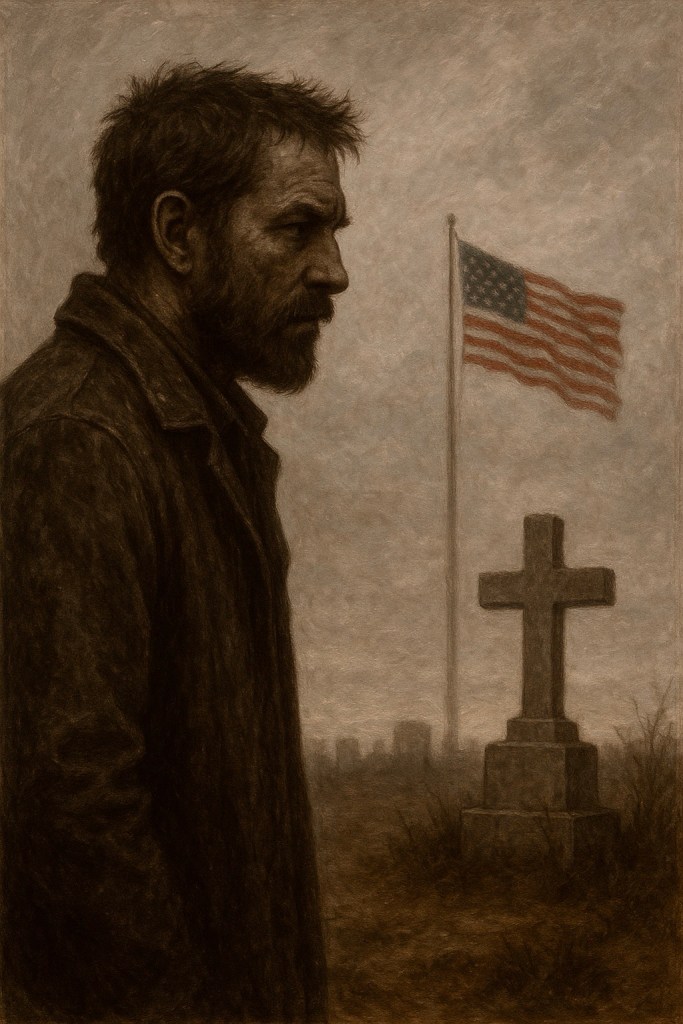
Gen X. 1965–1980. The lost middle child of history.
We didn’t get participation trophies—we got yelled at by chain-smoking coaches who told us to “walk it off” while our ankles were swelling like Macy’s Day floats.
Our birthday parties weren’t Pinterest-perfect affairs with balloon arches and gluten-free cake pops—they were at Pizza Hut. Red cups, greasy pan pizza, and the glorious Book-It! program bribing us to read with free slices. Gen X literacy? Sponsored by pepperoni.
And nobody asked about our “pronouns.” You were either the kid who could kick a ball into the neighbor’s window, or you were the kid who got hit by the ball. End of taxonomy.
But here’s the kicker. That wolf-eyed quote floating around said:
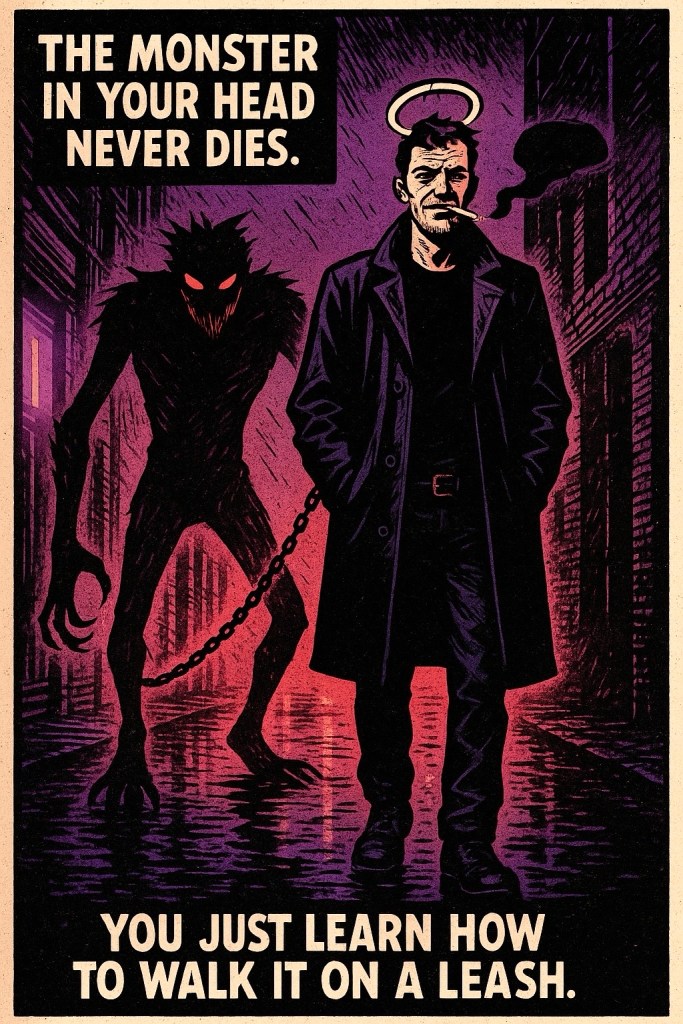
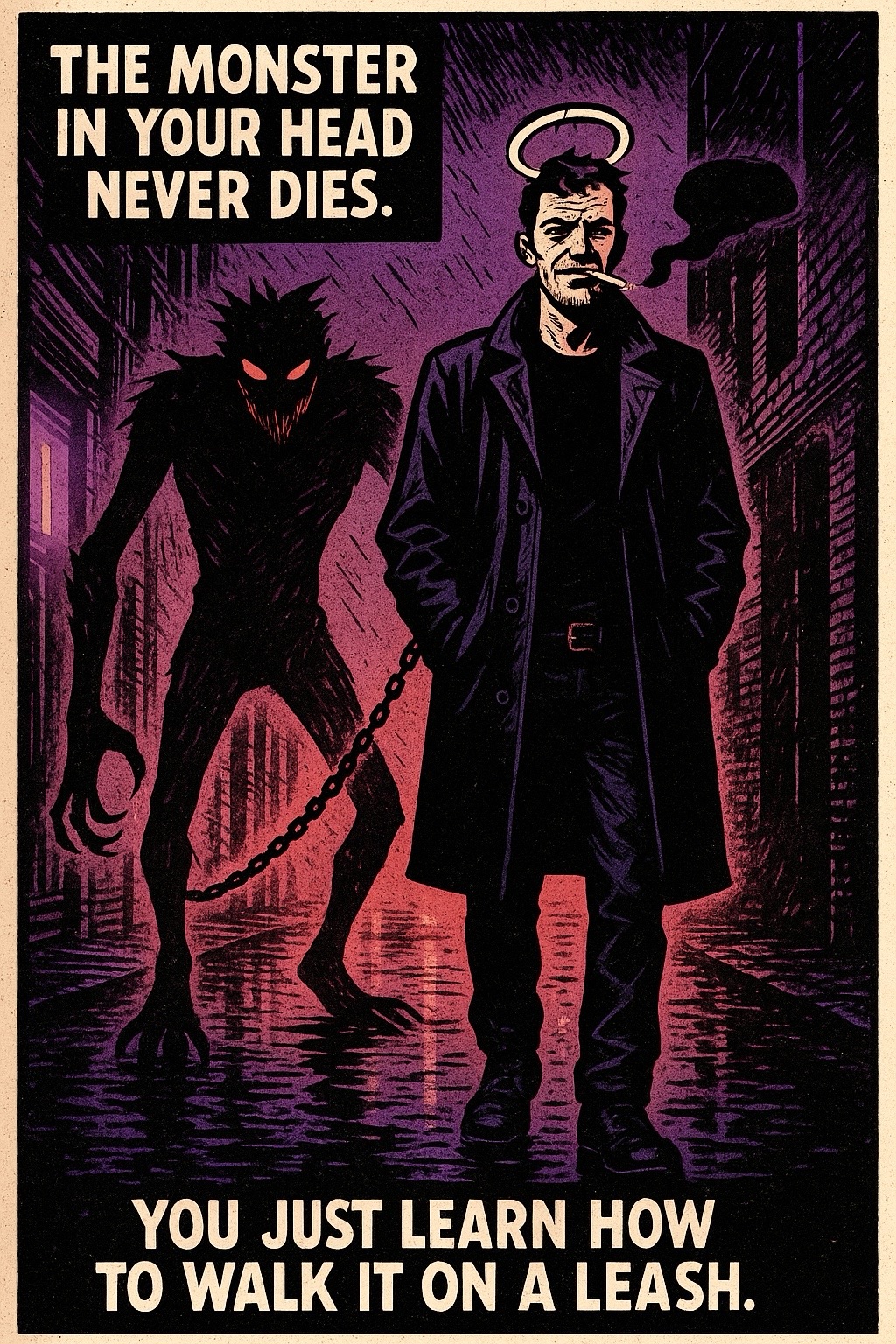
“It’s better to be a restrained monster than a well-behaved coward.”
Gen X lived that.
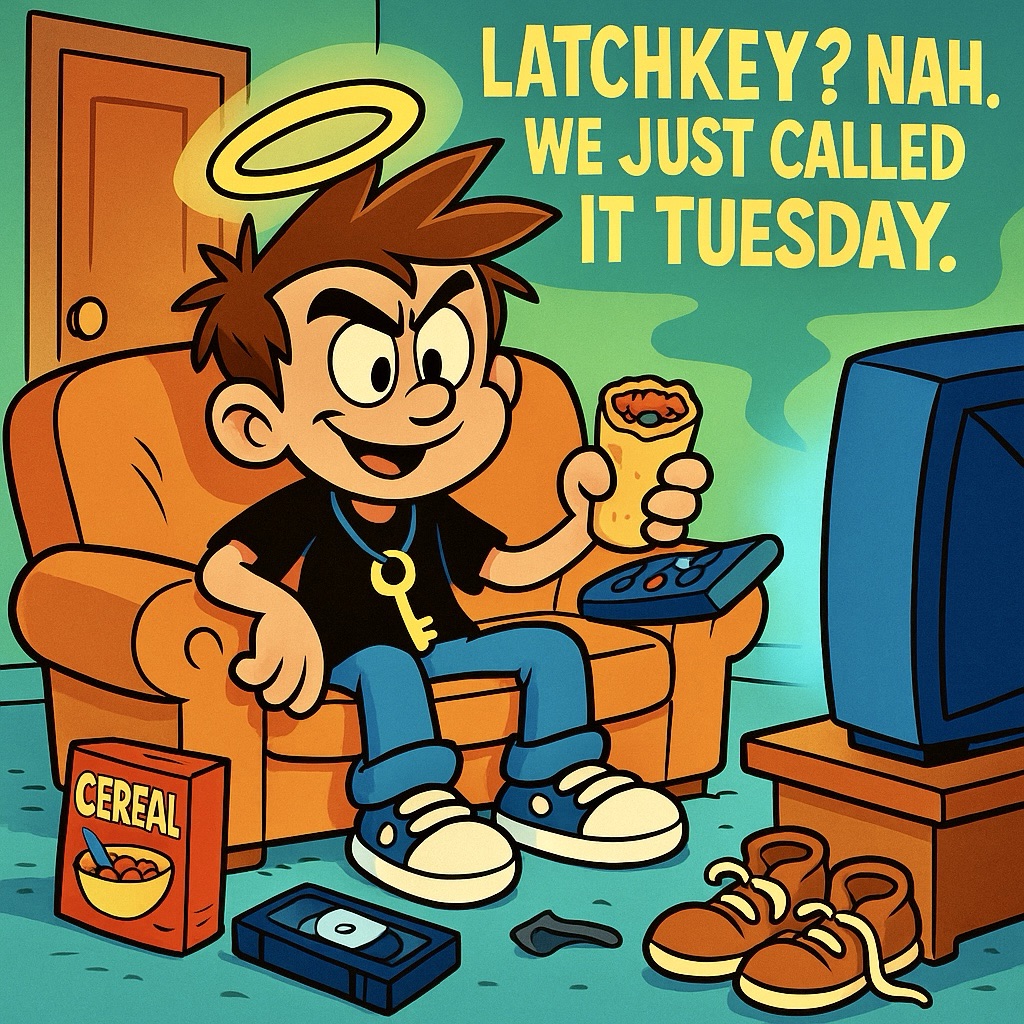
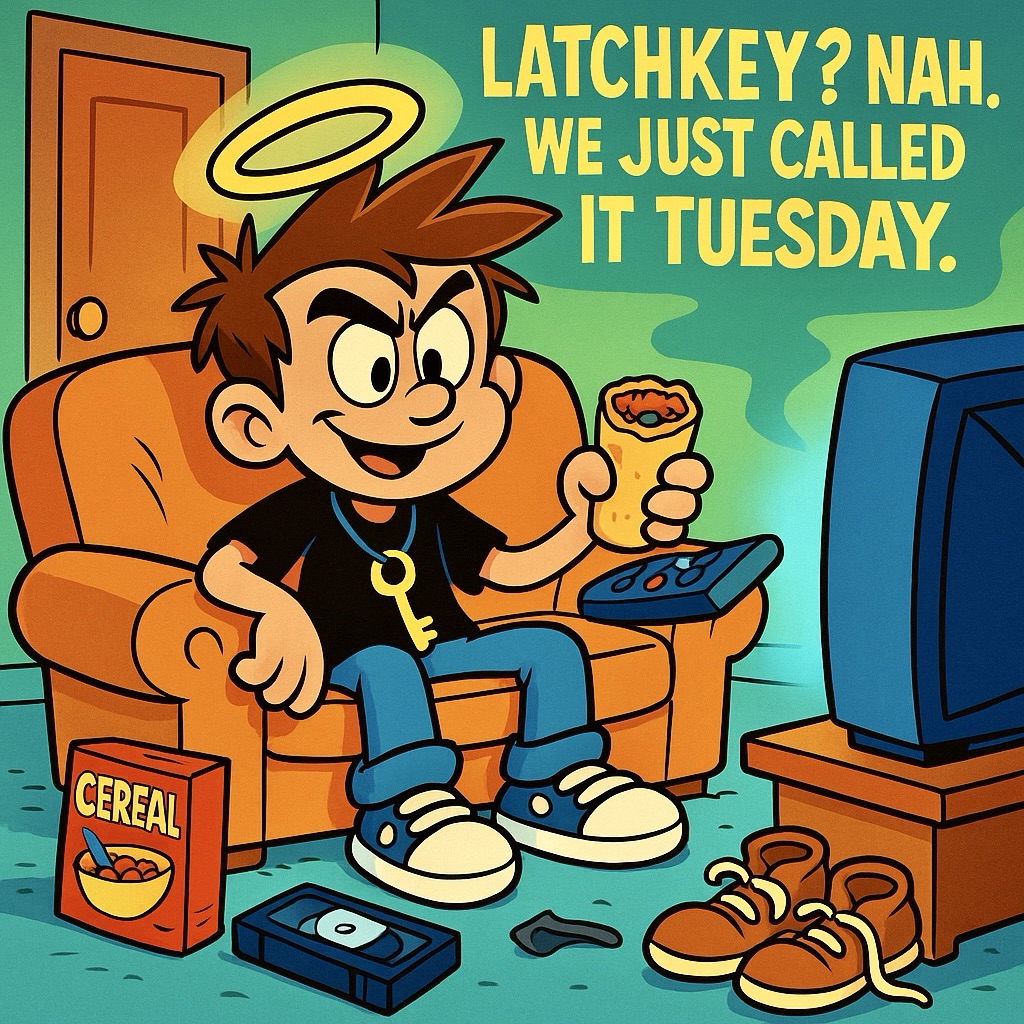
We grew up latchkey, alone with microwaves and Nintendo cartridges that required the sacred “blow ritual” to work. We learned to fight, joke, and keep our rage on a short leash. A monster in a denim jacket. Quiet, but dangerous.
Cowardice was never an option. You either stood your ground in the parking lot, or you went home with your tail tucked and your cassette tapes stolen. That’s why we aged like whiskey and scars—we’re restrained monsters who still know how to bare teeth when the world gets stupid.
So yeah, you can keep your foam trophies. You can keep your soy candles and identity workshops. Gen X? We’ll be over here, drinking cheap beer out of red plastic cups, watching the world burn, and laughing because we already told you it was rotting from the inside out.
There’s a certain kind of ad that stalks the late-night corners of the internet:
“Answer 10 PhD-level sexual questions and discover your rare sexual role.”
PhD-level? Please. If a degree in kink is on the table, Saint Dirty Face™ has already written the damn syllabus. The truth is, most of us don’t need a test to know our archetype—we’ve been living it, sweating it, and swearing by it since the first time we discovered handcuffs fit better on wrists than in police reports.
So let’s cut through the clinical language and get dirty where it counts: in the roles we play when the lights are low, the rope is tight, and trust tastes better than whiskey.
The Rare Sexual Roles (According to No Textbook Ever Written):
The Scholar of Sin™ – You read the Kama Sutra, not for enlightenment, but to find new ways to pull a muscle. You annotate in the margins like it’s grad school. The Altar of Chaos™ – Blindfolds? Ropes? Candles? You’re the ritual, baby. Everyone else is just hoping they survive the sermon. The Wolf in Chains™ – You only kneel to rise higher. Submissive isn’t your weakness—it’s your weapon. The Architect of Pain™ – You’ve drawn more knots than an Eagle Scout on meth. Your blueprint is desire, and every line ends in sweat. The Trickster of Flesh™ – You’re the dirty punchline everyone still moans about. Toys? Tools? Oh, you’ve got jokes.
The Test Is Rigged
You don’t need 10 questions to figure this out.
The only exam worth taking is the one written on your lover’s skin. And the grading curve? Easy:
Did they crawl back for more? A+. Did you leave bite marks that could be mistaken for stigmata? Honors. Did you both laugh, cum, and nearly break the bedframe? Welcome to tenure.
Final Lesson
Your sexual archetype isn’t hiding in a Buzzfeed quiz. It’s hiding in you—waiting for the right night, the right hands, the right soundtrack. (Zeppelin, Nine Inch Nails, or hell, even Barry White if you’re twisted enough to turn camp into kink.)
So forget the multiple-choice test. The only question worth asking is this:
It’s Sunday, which means half the world is still in bed scrolling horoscopes, and the other half is outside pretending the universe left them on “read.”
Here’s the thing: horoscopes are fun. They’re like fortune cookies with better PR. We all peek at them—“This week you will find love, money, and a free pizza.” Sure, babe, sounds good. But you know and I know that the stars aren’t punching in at the cosmic call center to solve our problems.
What horoscopes do give us is a mirror. A reason to pause. A little poetry to break up the grind. And sometimes that’s all we need. A spark. A word. An excuse to hope.
But in the end? Trust your gut. Your instincts. That voice that tells you when to move, when to fight, when to shut the hell up and just listen. Stars may guide sailors, but instinct saves wolves.
So read your horoscope if you want. Hell, tattoo your zodiac across your chest if it makes you feel alive (guilty as charged). But never outsource your soul to a paragraph in the back of a magazine.